AsciiPad SNES Controller: A Fighting Game Purist's Deep Dive
Why Fighting Game Players Still Talk About the AsciiPad
Long before arcade sticks and Hitboxes took over competitive fighting games, SNES players were already fussing over input precision. Ascii Corporation’s pads, sold under names like the AsciiPad and later folded into the Ascii FighterStick lineage, were built on a different premise than Nintendo’s stock controller. Nintendo optimized its pad for comfort during platformers and RPGs. The AsciiPad went the other direction, chasing the one thing fighting game players actually need: a D-pad that nails quarter-circles, dragon punch motions, and charge inputs without eating a frame here or there.
That’s the reputation that’s kept this thing alive. Collectors still trade it, retro tournament organizers still argue about it, and the question keeps coming up: does it actually hold up against what we expect now?
Build Quality and Ergonomics
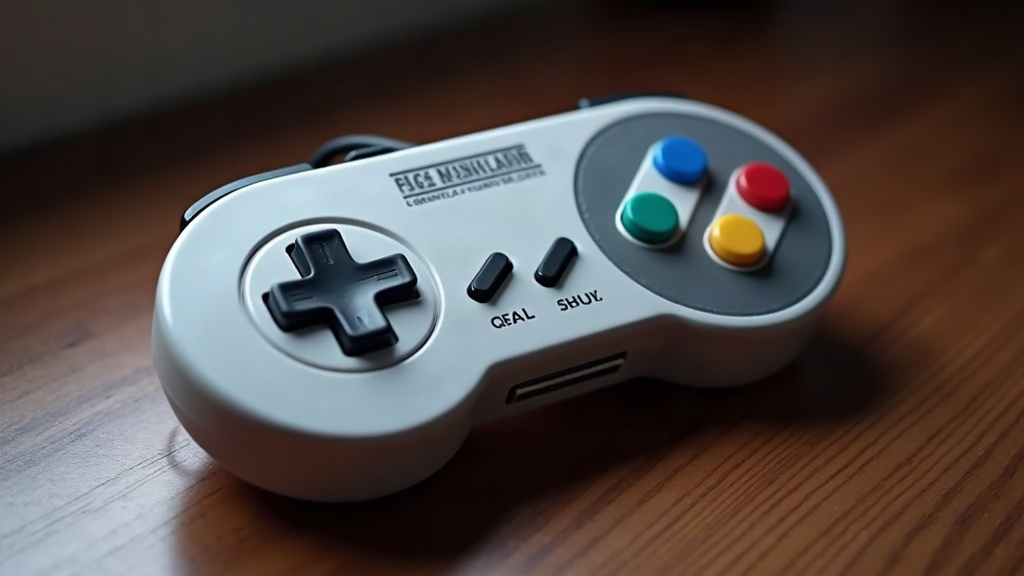
Pick up an original AsciiPad today and a few things hit you right away:
- Weight and shell rigidity - The plastic shell is noticeably denser than the stock SNES controller. Less flex when you’re mashing hard, less creak too.
- Button spread - The face buttons sit a bit wider apart than Nintendo’s layout, which gives players more room to rest multiple fingers across buttons for option selects.
- Shoulder button travel - The L/R triggers have a shorter, more defined click. That matters in games that map block or dash to the shoulders.
None of this is revolutionary by today’s standards. But put it in the context of 16-bit hardware from the early ’90s, and it was a real upgrade at the time.
The D-Pad: The Real Selling Point
For fighting game purists, the D-pad is basically the whole review. The AsciiPad uses a slightly concave cross design with firmer tactile feedback than the stock pad, and that matters for two concrete reasons:
- Diagonal recognition - Stock SNES pads often have “dead zones” on the diagonals, which drops inputs on moves like hurricane kicks right when you need them most. The AsciiPad is noticeably more forgiving here. Fewer ragequits over a missed Tatsumaki.
- Double-tap consistency - Dash inputs and quick direction switches register more reliably, thanks to a stiffer spring underneath the pad.
Is it as tight as a modern Hitbox or a well-lubed Sanwa stick? No, not even close. But stack it against other D-pad options from the same generation, and it’s still one of the better picks you can get your hands on.
How It Performs in Actual Fighting Games
I ran it through the genre staples, Street Fighter II Turbo, Fatal Fury, and Mortal Kombat II, and a few patterns showed up pretty fast:
- Charge characters (Guile, Blanka) benefited the most. The firmer D-pad resistance keeps you from accidentally slipping off a held direction, which is everything for charge inputs.
- Motion-heavy characters (Ryu, Ken, the ninjas in Fatal Fury) dropped fewer specials during back-to-back combo attempts compared to a standard pad. Not zero drops, but fewer.
- Button mashers (some Mortal Kombat combos) felt pretty much the same either way. Makes sense, since button layout matters less than D-pad quality once you’re just hammering inputs.
Who Should Actually Buy One
This isn’t a pad for everybody, and it’s worth being upfront about that.
- Good fit: Retro tournament players, collectors who want period-correct hardware, and anyone doing combo tutorials or speedrun-adjacent content on original SNES hardware.
- Not ideal for: Anyone who wants plug-and-play USB without an adapter, or anyone expecting arcade-stick-level precision out of a gamepad.
If you’re buying a modern reproduction or a NOS (new old stock) unit, check the D-pad spring tension before you commit. Original stock varies a lot depending on age and how it was stored, some units feel mushy, others still snap like new.
Maintenance Tips for Longevity
- Clean the contact pads with isopropyl alcohol every few months if you use it often.
- Don’t lean hard into the D-pad corners. That’s where most wear-related failures start.
- Store it shell-up so dust doesn’t settle into the button wells.
Final Verdict
The AsciiPad SNES controller is still a legitimate choice for fighting game purists who care more about D-pad precision than modern conveniences. It’s not replacing a dedicated arcade stick for serious tournament play, nobody’s claiming that. But for retro sessions, speedrunning, or just recreating the real SNES fighting game feel, it’s one of the most dependable pads from its era, and honestly, still worth tracking down.