Unused Japanese Content Hidden on NTSC-U PS1 Discs
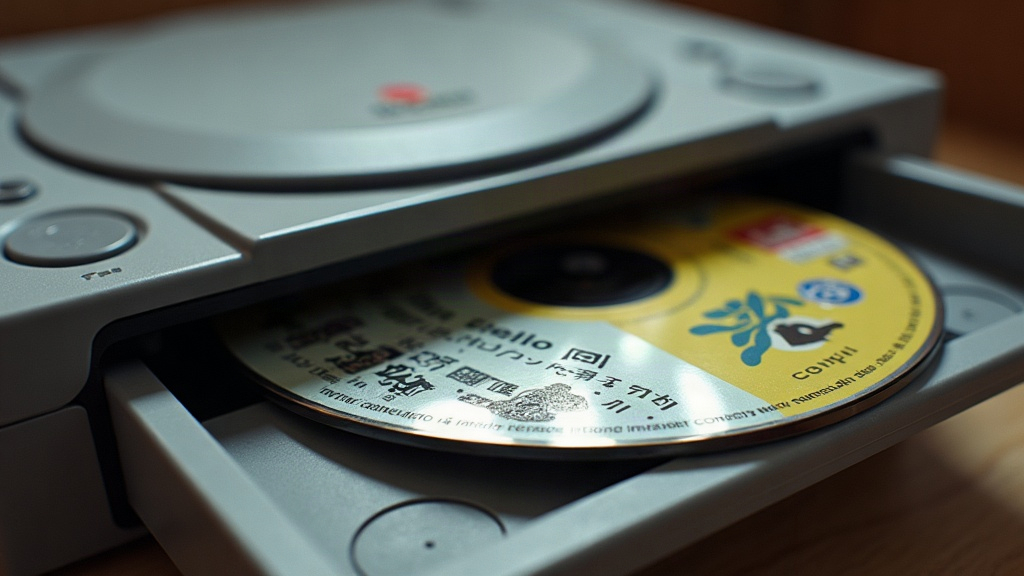
If you grew up playing the original PlayStation in North America, you probably figured the games on your shelf were built specifically for that market. NTSC-U, English text, done. But crack open those black-bottomed discs and you’ll find something stranger sitting in the file directories. A surprising number of localized PS1 titles are quietly hoarding huge amounts of unused Japanese content: untranslated text, original voice recordings, censored artwork, even developer debug menus nobody was ever meant to see. Digging up this leftover Japanese material on NTSC-U discs has turned into a real obsession for preservationists and data miners trying to piece together the untold history of these games.
Why Did Developers Leave Japanese Data on Western Discs?
To make sense of why so much extra content just… sat there, you need to picture what game development looked like in the late 1990s. Cartridges were out, CD-ROMs were in, and suddenly developers had roughly 700 MB to play with. Most early 3D games barely scratched that limit, so there was room to spare and nobody was sweating over it.
When a Japanese studio shipped a game overseas for North American localization, the local teams were usually working against brutal deadlines. Stripping out every last Japanese file was risky business: mess with the wrong pointer and you could crash the whole build, which meant weeks of extra QA nobody had time for. So the shortcut was simple. Unlink it instead of deleting it.
By pulling the pointers that told the game where to load Japanese assets, developers made the files effectively invisible to players, without ever touching the actual data on the disc. Out of sight, but very much still there.
Types of Hidden Japanese Content Found on PS1 Discs
Data miners poking through the directories of localized PlayStation games tend to run into the same handful of categories, over and over:
- Leftover Localization Text: Buried in the code, you’ll often find huge chunks of untranslated Japanese, sometimes early script drafts, sometimes developer notes, sometimes dialogue for side quests that got axed when the schedule tightened up.
- Original Audio and Voice Acting: Voice files don’t take much space, so plenty of North American releases still carry the full original Japanese cast tucked away in the disc image, even when the official NTSC-U release only shipped with an English dub.
- Debug Menus and Developer Rooms: A lot of Japanese teams never bothered pulling their internal testing tools off the retail disc. Pop in a GameShark and you can often reach these hidden “debug rooms,” almost always in Japanese, originally built for testing mechanics and skipping straight to later sequences.
- Uncensored or Regional Graphics: Censorship rules in the 90s were no joke. Rather than delete the original Japanese art that didn’t pass Western standards, localizers usually just bolted on the censored North American version and pointed the game there instead. The uncensored graphics stay right where they were, buried in the file structure.
Notable Examples of Unused NTSC-U Content
Over the years, retro gaming communities have picked apart several well-known cases of Japanese leftovers hiding on Western PS1 discs.
Castlevania: Symphony of the Night
The North American release of Symphony of the Night is basically famous for this at this point. Fans dug up the original Japanese voice lines, including audio for two familiars, the Sprite and the Nose Demon, that were cut entirely from the Western version. All of it just sitting unused on the NTSC-U disc.
Final Fantasy VII
Square’s genre-defining RPG is practically a data miner’s playground. The North American disc hides multiple developer debug rooms. You need cheat codes to get in, but once you’re through, you’re staring at Japanese text menus that let you swap party members on the fly, jump to any point in the story, or run raw tests on battle mechanics.
Resident Evil (Biohazard)
The jump from Japan’s Biohazard to the West’s Resident Evil involved a fair amount of trimming. Even so, the NTSC-U disc still holds files tied to the original release, including unused Japanese menu graphics and leftover code from the uncut FMV sequences, which were considerably bloodier than what North American players actually saw.
How Preservationists Uncover Hidden Assets
Finding this stuff isn’t exactly casual browsing. Preservationists rely on specialized software to look inside ripped PS1 disc images, usually BIN/CUE or ISO files.
With HEX editors, researchers scan raw binary data looking for ASCII and Shift-JIS strings (the standard Japanese text encoding of the era). Other tools, CDmage among them, plus a handful of custom script extractors, let people pull audio (XA format) and texture files (TIM format) straight out of a game’s directory structure.
Preserving the Complete Picture
Digging up unused Japanese content on NTSC-U PS1 discs isn’t just a fun scavenger hunt for nostalgic gamers, though it certainly can feel like one. It’s a genuine piece of digital archaeology. Every stray text string, every forgotten audio clip, every debug menu nobody was supposed to find, offers a raw, unfiltered glimpse into how these classic games actually got made. Thanks to the people willing to dig through that discarded data, the full, messy history of the PlayStation era stands a real chance of surviving for future generations to study, and maybe just enjoy.