Spooky Retro: Unsettling Halloween Easter Eggs in PS1 Games
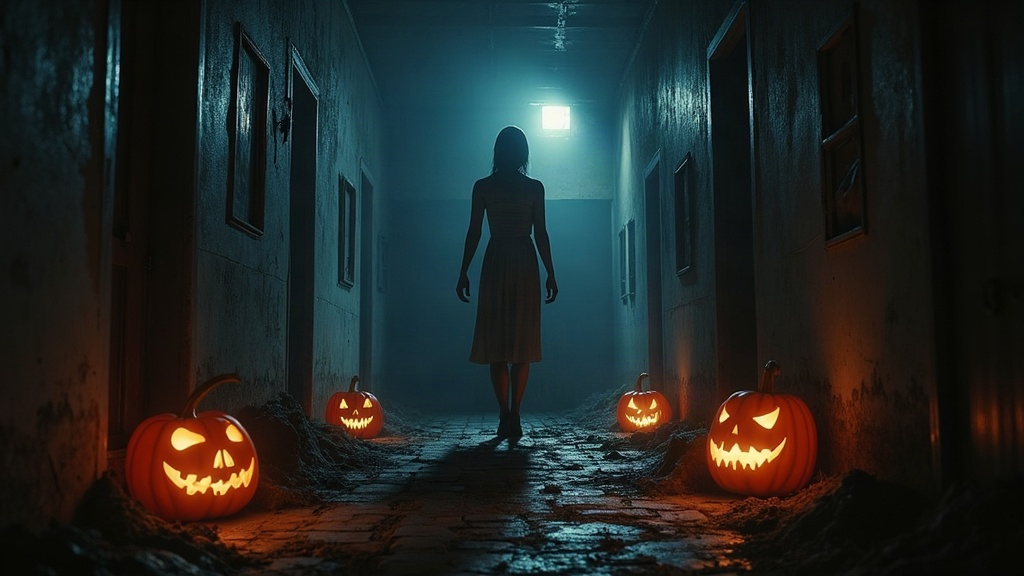
Long before jump-scare compilations took over YouTube, the original PlayStation was already quietly burying some of gaming’s most unsettling secrets inside its disc-based library. This Halloween, we’re digging through the pixelated shadows of PS1 classics to dig up the hidden rooms, glitch-born monsters, and developer “jokes” that still make longtime fans a little uneasy, decades on.
Why PS1 Easter Eggs Feel Scarier Than Modern Ones
The PlayStation 1 era (1994-2000) never had the graphical horsepower for photorealistic horror, so developers leaned on suggestion, static camera angles, and low-poly ambiguity instead. Funny thing is, that same limitation is exactly why its hidden content lands harder today:
- Low-res textures leave things to the imagination. A blurry face half-hidden in the dark is somehow worse than a crisp, detailed one.
- Fixed camera angles (a hallmark of early survival horror) made it easy to tuck secrets just outside the player’s normal field of view.
- Limited memory meant unused assets sometimes slipped into final builds, creating “unintended” ghosts buried in the code.
The Most Unsettling Easter Eggs Worth Revisiting
1. Resident Evil’s Hidden Crimson Head Warning
In the original Resident Evil (1996), players who left zombie corpses lying around too long without torching them would watch them crawl back up as faster, nastier “Crimson Heads.” Officially this was just a gameplay mechanic, not a secret. But early playtesters dug up test rooms in the disc data with design notes referencing a cut “second death” animation, which gave fans decades’ worth of material to speculate about what darker content got scrapped before launch.
2. Silent Hill’s Alternate Dimension Glitch Room
Silent Hill (1999) is already soaked in dread on its own, but dataminers later found an unused debug room reachable through memory card exploits. Inside is a mess of disconnected textures lifted from the Otherworld sequences, floating in a black void with zero collision. It’s basically a liminal space hiding inside a game that’s already obsessed with liminal spaces.
3. Spyro the Dragon’s Creepy Unused Level Geometry
Not every spooky secret comes from a horror game. Spyro the Dragon (1998) hides unused level chunks in its files, including a warped, half-finished version of the Dark Hollow level missing its skybox entirely. Pull it up through an emulator’s free-cam tools and you get this eerie, endless-void effect that feels completely out of place in a kids’ platformer.
4. Tomb Raider’s Lara Croft “Nude Code” Urban Legend
One of the most famous (and almost entirely debunked) PS1 myths claimed there was a code to strip Lara Croft’s outfit in Tomb Raider (1996). What actually existed was weirder, and honestly creepier: certain death animations could trigger a broken character model state, glitching Lara into disturbing, skinless polygon shapes. A genuine bug got mistaken for a secret, and the legend took on a life of its own.
5. Clock Tower’s Scissorman Ambient Audio Cues
Clock Tower (1995, ported later) hid subtle audio triggers that played Scissorman’s theme at near-silent volume even in rooms that were supposedly “safe,” long before he ever showed up on screen. Plenty of players reported getting chills from a threat they couldn’t see yet. This one wasn’t a bug at all, it was deliberate design, and strangely enough it barely shows up in strategy guides from that era.
How to Safely Explore These Secrets Today
Want to hunt for these yourself? A few ground rules:
- Use legally owned discs or verified backups with an emulator like DuckStation for accurate CRT-style rendering.
- Enable debug or free-cam tools carefully. Many hidden rooms have no collision and will happily crash your save state.
- Check community wikis like TCRF (The Cutting Room Floor) for documented unused content before you start hunting blind.
- Keep the sound on. Several of these secrets are audio-first, not visual, and you’ll miss the point entirely with it muted.
Final Thoughts
PlayStation 1 games never needed 4K horror to get under people’s skin. Ambiguity, broken code, and clever sound design did the job just fine on their own. Digging back into these Halloween-ready secrets isn’t just nostalgia for nostalgia’s sake. It’s a reminder that some of gaming’s creepiest moments were never meant to be found in the first place.